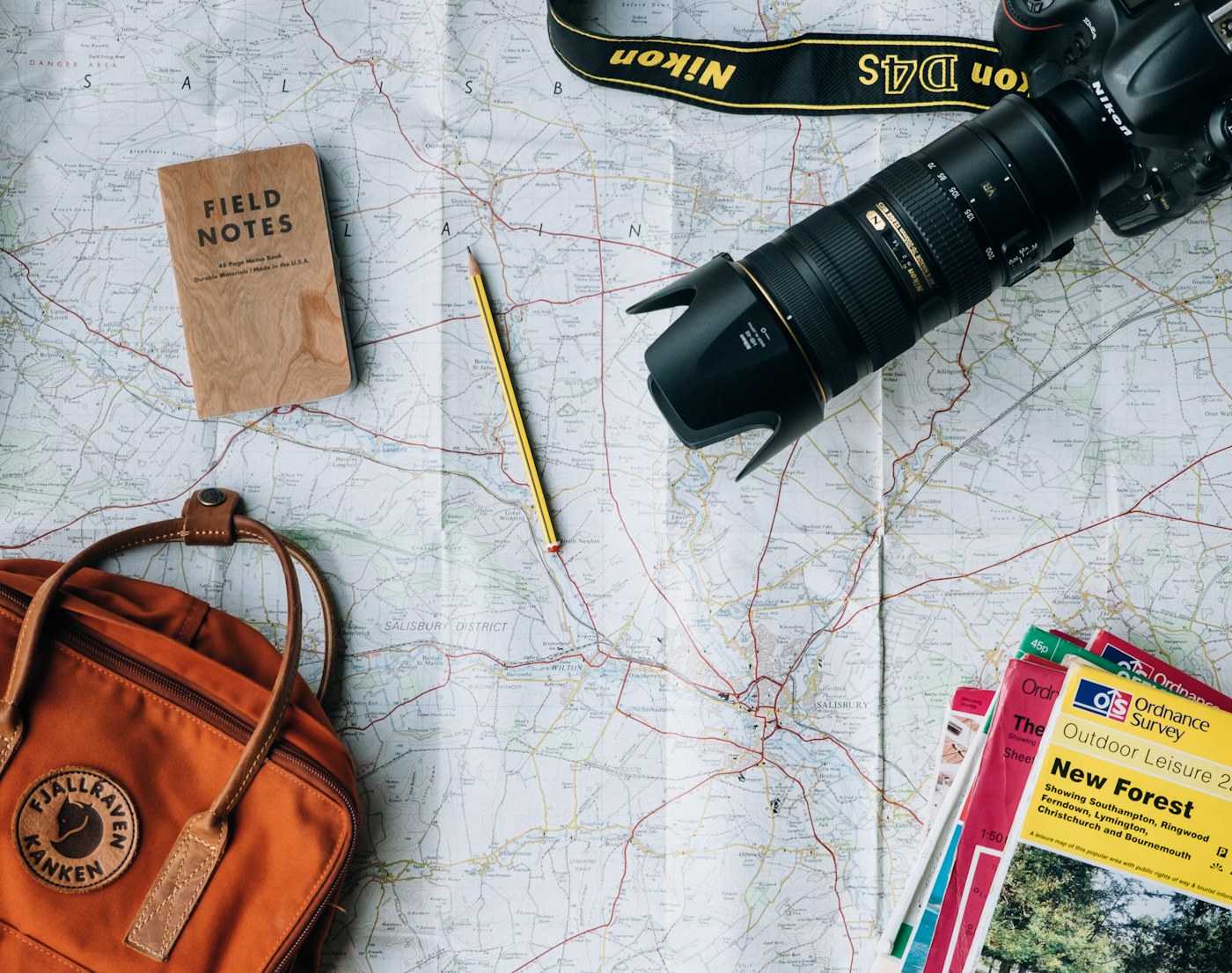
The museum is still open, but your umbrella is dripping, the map is soft at the edges, and tomorrow’s socks are sharing a bag with today’s wet ones.
Rain planning is less about staying perfectly dry and more about separating wet gear, protecting essentials, and drying overnight. That is why this guide begins with the situation instead of a ranked list. A feature matters only when it removes friction, fits the space, and can be maintained over time.
Before shopping, write down where the item will live, how often it will be used, who will use it, and what usually goes wrong. Those four notes are more useful than opening ten product tabs without a plan.
What matters in daily use
Use this checklist to narrow the field. It is intentionally practical: dimensions, care, access, and comfort are easier to verify than broad marketing language.
- Use a ventilated or separate bag for damp items.
- Pack quick-drying socks before adding more outerwear.
- Protect documents and electronics in simple zip pouches.
- Choose shoes with a sole you have already tested on wet surfaces.
Where specifications are important, confirm them on the manufacturer’s current product page before purchase. Availability, materials, included parts, and instructions can change.
A scenario-based shortlist
These are product types to compare, not claims of hands-on testing. Each solves a different version of the problem and includes a tradeoff worth considering.
A compact vented umbrella
Best for: dense streets and public transit.
Know the tradeoff: Small canopies provide less wind coverage.
Explore options ↗Retail search link; no tracked affiliate ID is active at publication.A waterproof phone pouch
Best for: navigation in steady rain.
Know the tradeoff: Touch response can be less precise through plastic.
Explore options ↗Retail search link; no tracked affiliate ID is active at publication.A packable dry bag
Best for: separating wet clothing from clean items.
Know the tradeoff: Roll-top styles take practice to close correctly.
Explore options ↗Retail search link; no tracked affiliate ID is active at publication.Before you buy
Measure twice: the item itself and the path it must travel, open, charge, dry, or store in. Read the return window before removing protective packaging. If fit is personal, test indoors and preserve tags until you are sure.
Assuming a coated tote is waterproof at the zipper and seams or drying wet shoes with damaging high heat.
Also calculate the quiet costs: replacement parts, filters, refills, cleaning time, charging space, and the likelihood that the product will be convenient enough to use. A lower purchase price is not always lower cost over a year.
The bottom line
A dry pair of socks and a protected phone often matter more than a heroic umbrella.
EEGOOD’s standard is simple: prefer a well-matched, maintainable choice over a feature-heavy one. If a product cannot explain its dimensions, materials, care, or essential limitations clearly, keep looking.